Ledger Hardware Wallet: Protect Your Bitcoin Through Cold Storage Solutions
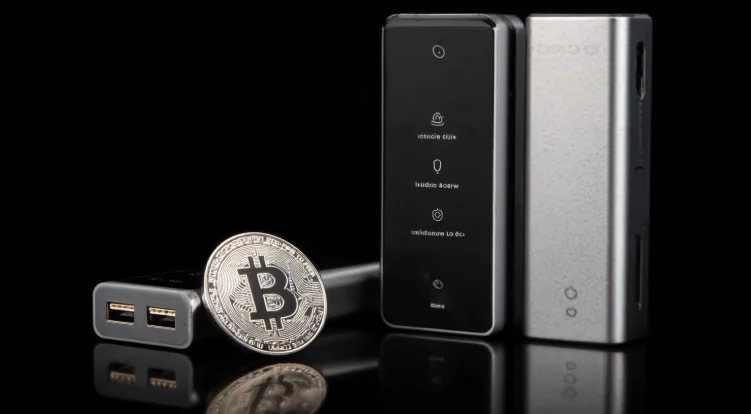
Regarding digital asset protection, the ledger hardware wallet remains the industry standard for Bitcoin cold storage technology. This comprehensive resource explores how the ledger live wallet ecosystem protects your ledger wallet btc holdings and clarifies why cryptocurrency investors globally depend on Ledger devices. From beginners obtaining their first Bitcoin to seasoned holders administering substantial ledger wallet bitcoin portfolios, understanding these security principles establishes the groundwork for appropriate asset safeguarding. Learn more about device setup and advanced features.
Comprehending Ledger Hardware Wallet
The ledger hardware wallet operates as a specialized security device constructed to separate cryptocurrency private keys from any internet-connected setting. Whereas software wallets, exchange accounts, and browser-based alternatives expose your Bitcoin credentials to digital vulnerabilities, Ledger devices preserve private keys inside certified secure element chips entirely separated from online access.
Since commencing operations in 2014, Ledger has distributed over 6 million hardware wallets to users globally, safeguarding cryptocurrency assets exceeding $20 billion in value. These devices have protected Bitcoin through unpredictable market fluctuations and security obstacles, cultivating an outstanding reputation in personal cold storage technology.
Bitcoin Protection Framework
The ledger wallet bitcoin security approach adheres to one fundamental principle: private keys must never reside on internet-accessible devices. Throughout initial device configuration, your Ledger produces private keys inside the secure element employing a certified randomization procedure. These keys stay permanently secured within the chip's protected memory—never conveyed to computers, smartphones, or Ledger servers. For detailed setup instructions, consult our complete tutorial.
Processing a ledger wallet btc transaction occurs completely within the secure element. Your attached device assembles unsigned transaction information, forwards it to the Ledger hardware, where the chip applies cryptographic signatures utilizing keys remaining internal, delivering only the finalized signed transaction for network transmission. Private keys stay safeguarded throughout each operation.
Ledger Live Wallet Application
The ledger live wallet software functions as your command center for hardware device interaction, providing portfolio management, transaction processing, and integrated services. Accommodating desktop environments (Windows, macOS, Linux) together with mobile platforms (iOS, Android), Ledger Live administers all routine operations while cryptographic protection remains with your hardware device. For installation instructions, see our download and setup guide.
Bitcoin-focused capabilities within Ledger Live encompass complete BTC transaction functions for sending and receiving, real-time balance tracking with various currency conversion selections, thorough transaction documentation displaying fee information and confirmation status, plus address confirmation validating receive addresses against your hardware device screen. Explore staking features and portfolio management tools.
Essential Ledger Wallet Bitcoin Functions

The ledger wallet btc system provides fundamental tools for committed Bitcoin holders:
- Native SegWit Support produces bc1q addresses that considerably decrease transaction expenses compared to legacy formats, sustaining complete compatibility with existing Bitcoin infrastructure.
- Taproot Implementation delivers bc1p addresses offering enhanced privacy combined with efficiency improvements, integrating the latest Bitcoin protocol developments.
- Multiple Account Administration facilitates simultaneous operation of Native SegWit (bc1q), Nested SegWit (3...), and Legacy (1...) accounts guaranteeing extensive compatibility.
- Adjustable Fee Settings provides slow, medium, fast, or custom fee rate options according to present network conditions and transaction urgency.
- RBF Transaction Boosting allows raising fees on outstanding transactions when network congestion produces confirmation delays.
- Personal Node Connection permits routing through your individual Bitcoin node for maximum privacy and minimized third-party reliance.
- Hardware Display Confirmation demands verifying all receive addresses on device screen, protecting against address replacement attacks.
- Multisig Functionality through partner integrations accommodates advanced custody arrangements for heightened security demands.
Ledger Wallet BTC Technical Specifications Table
| Function | Specifications | Supported Operations | Fee Considerations |
|---|---|---|---|
| Native SegWit (bc1q) | Preferred standard address type | Send, receive, hardware confirmation | Lowest fees (~37% savings vs legacy) |
| Taproot (bc1p) | Latest Bitcoin protocol compatibility | Send, receive, hardware confirmation | Lowest fees with privacy advantages |
| Nested SegWit (3...) | Backward compatibility type | Send, receive, hardware confirmation | Intermediate fees |
| Legacy (1...) | Maximum compatibility | Send, receive, hardware confirmation | Highest fees |
| Custom Fee Entry | Direct sat/vB input | Set exact fee rates | User-determined |
| RBF Boosting | Accelerate pending transactions | Increase fee on unconfirmed transfers | Additional fee required |
| UTXO Control | Input selection management | Select specific coins | Privacy and fee enhancement |
| Personal Node Connection | Route via own infrastructure | Full functionality | Standard network fees |
| Batched Transactions | Merged outputs | Send to multiple destinations | Reduced per-destination costs |
| Hardware Approval | Physical transaction confirmation | All outbound transfers | N/A |
Advantages for Bitcoin Holders

Genuine Private Key Control
The Bitcoin community axiom "not your keys, not your coins" expresses fundamental security truth. Depending on exchanges signifies accepting hazards of account restrictions, security incidents, or company collapse—the 2022 FTX failure eliminated billions in customer assets instantly. Protect your assets with a secure hardware wallet.
The ledger hardware wallet facilitates authentic self-custody featuring complete private key authority. Certified secure elements (CC EAL5+ or EAL6+) provide protection confirmed through rigorous independent assessment. Across more than a decade of operation, no remote attack has successfully penetrated Ledger secure element defenses. Compare device security features to make the right choice.
Contemporary Protocol Support
Current Bitcoin address types produce substantial fee decreases. Native SegWit addresses (bc1q prefix) realize approximately 37% reduced expenses compared with legacy addresses. Taproot addresses (bc1p prefix) contribute additional efficiency enhancements alongside improved transaction privacy.
The ledger wallet bitcoin platform completely incorporates every address standard, suggesting Native SegWit as the default choice for new Bitcoin accounts.
Personal Node Connection
Ultimate privacy demands removing third-party observation. Ledger Live accommodates direct attachment to your personal Bitcoin full node rather than utilizing Ledger's servers. This arrangement guarantees Ledger never witnesses your addresses or transaction behavior—realizing total financial privacy independent of your wallet provider.
Node attachment operates with Bitcoin Core and compatible software through standard communication interfaces.
Bitcoin Management in Ledger Live Wallet
BTC Sending and Receiving
Transmitting ledger wallet btc adheres to a secured workflow: Access your Bitcoin account within Ledger Live. Choose "Send" and enter destination address alongside desired quantity. Review the network fee projection, modifying as needed. Select "Continue" to complete transaction assembly. Connect your Ledger device and thoroughly examine transaction details on the hardware screen. Confirm by pressing both device buttons together. Wait for broadcast confirmation followed by blockchain verification. For troubleshooting connection issues, see our troubleshooting guide.
Accepting Bitcoin requires address validation: Choose "Receive" from your Bitcoin account. Attach your Ledger device when requested. Verify the presented address precisely corresponds with your hardware screen. Share the confirmed address with senders. Never distribute addresses without finishing hardware verification. Learn about balance monitoring and transaction tracking.
Transaction Fee Management
Bitcoin transaction expenses fluctuate with network demand. The ledger live wallet provides current fee estimates encompassing: slow (economical selection for flexible timing), medium (balanced option), fast (priority confirmation), and custom (exact sat/vB specification). Explore advanced fee management features.
During fee surges, consider merging multiple payments into single transactions or choosing slow confirmation for non-urgent transfers. RBF capability permits fee elevation later should confirmation periods extend unexpectedly. For more details on transaction management, visit our features page.
Account Organization
The ledger wallet bitcoin structure supports unlimited accounts fulfilling distinct functions. Useful configurations encompass: distinct storage for long-term holdings versus trading operations, separate accounts for various address types (SegWit, Taproot, Legacy), purpose-designated accounts (systematic accumulation, routine spending), and accounts representing different verification approaches (personally confirmed versus remotely distributed).
Advanced Bitcoin Functionality
Sophisticated ledger wallet btc capabilities satisfy demanding needs. Learn about advanced features and device capabilities:
- UTXO designation through compatible applications such as Sparrow Wallet enables input specification, permitting particular coin expenditure for fee reduction and privacy improvement.
- Multisignature configurations integrate with specialized platforms (Caravan, Specter), accommodating 2-of-3 and alternative advanced custody structures.
- Passphrase addition produces hidden Bitcoin wallets demanding an extra secret beyond the standard 24-word recovery phrase—beneficial for plausible deniability or separating risk exposure. See setup tutorial for details.
- Cryptographic signing establishes Bitcoin address ownership without fund transfer, addressing verification and authentication requirements.
Beginning with Ledger Wallet Bitcoin
Commence your Bitcoin security path:
- Choose suitable hardware: Nano S Plus ($79) for desktop-only operation, or Nano X ($149) incorporating mobile and iPhone compatibility. Compare all device options.
- Purchase solely from Ledger.com or Amazon's official Ledger outlet—circumvent all third-party merchants.
- Acquire Ledger Live from ledger.com/ledger-live before unsealing your device packaging. Follow our installation guide.
- Set up your device by creating a PIN and meticulously recording your 24-word recovery phrase. See complete setup tutorial.
- Complete the authenticity check verifying genuine Ledger firmware.
- Install the Bitcoin application through Ledger Live's Manager section.
- Create your first Bitcoin account, selecting Native SegWit (bc1q) for cost efficiency.
- Generate and confirm your initial receive address utilizing the hardware screen.
- Transmit a small test transaction before transferring substantial amounts.
- Verify successful transaction finalization before relocating remaining Bitcoin holdings.
For thorough setup instructions, reference our Ledger wallet tutorial.